
Garretson Forge & Farm
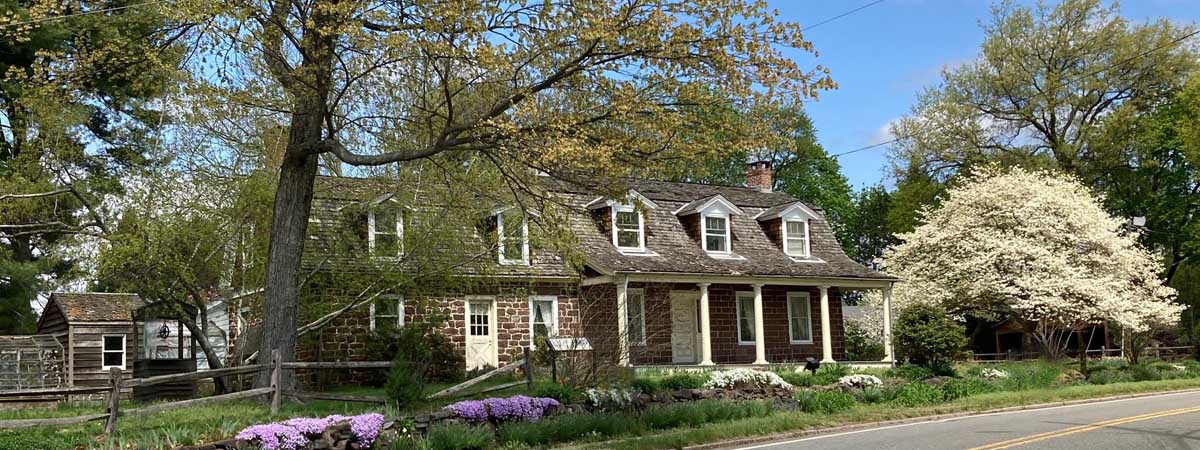
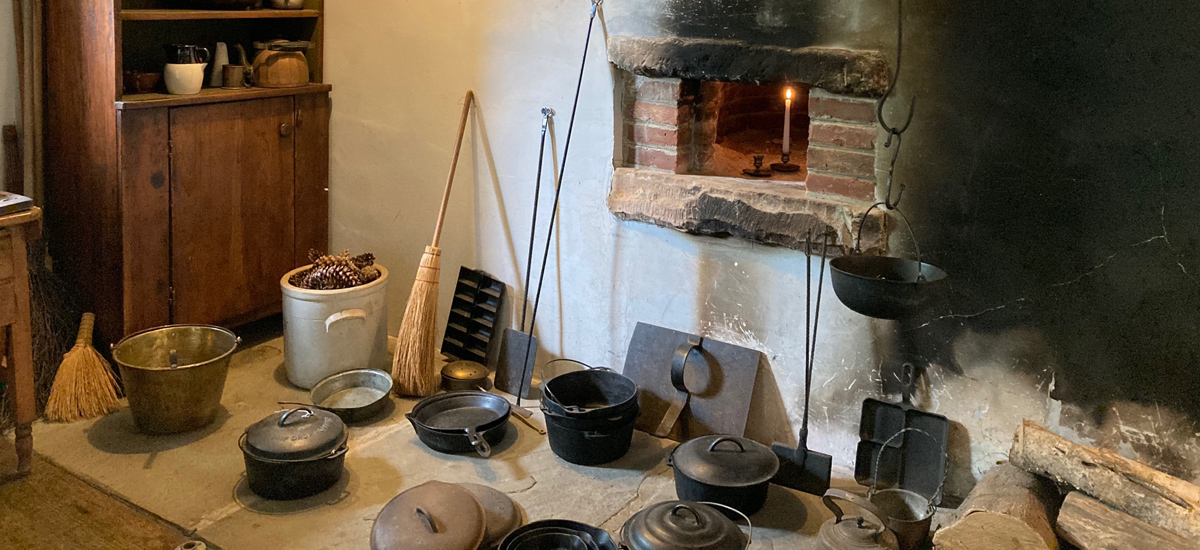
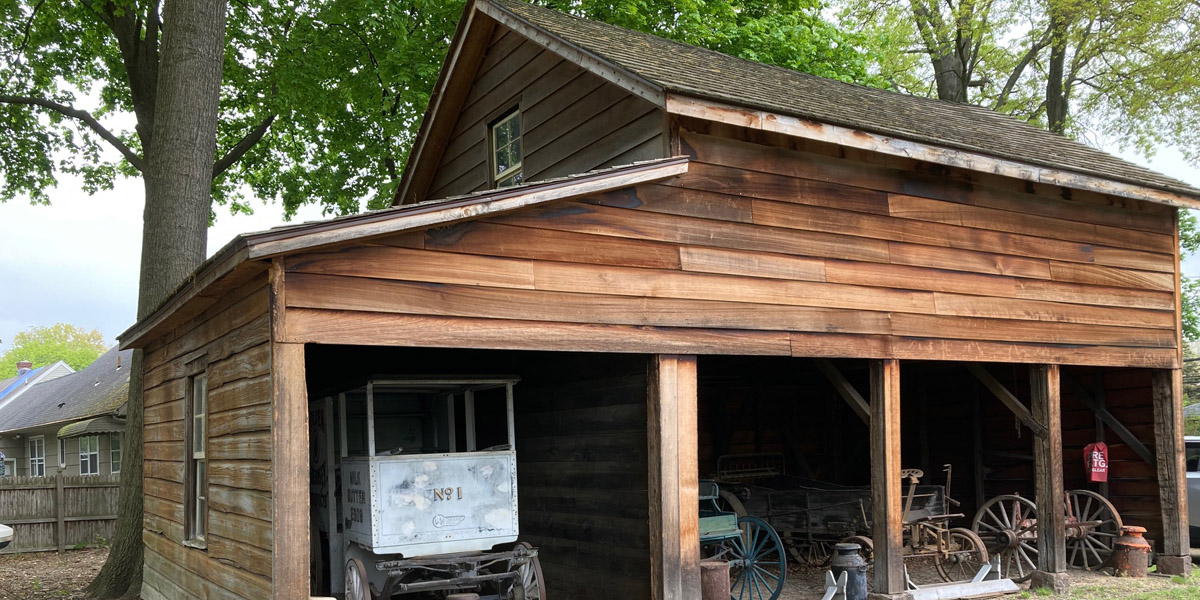
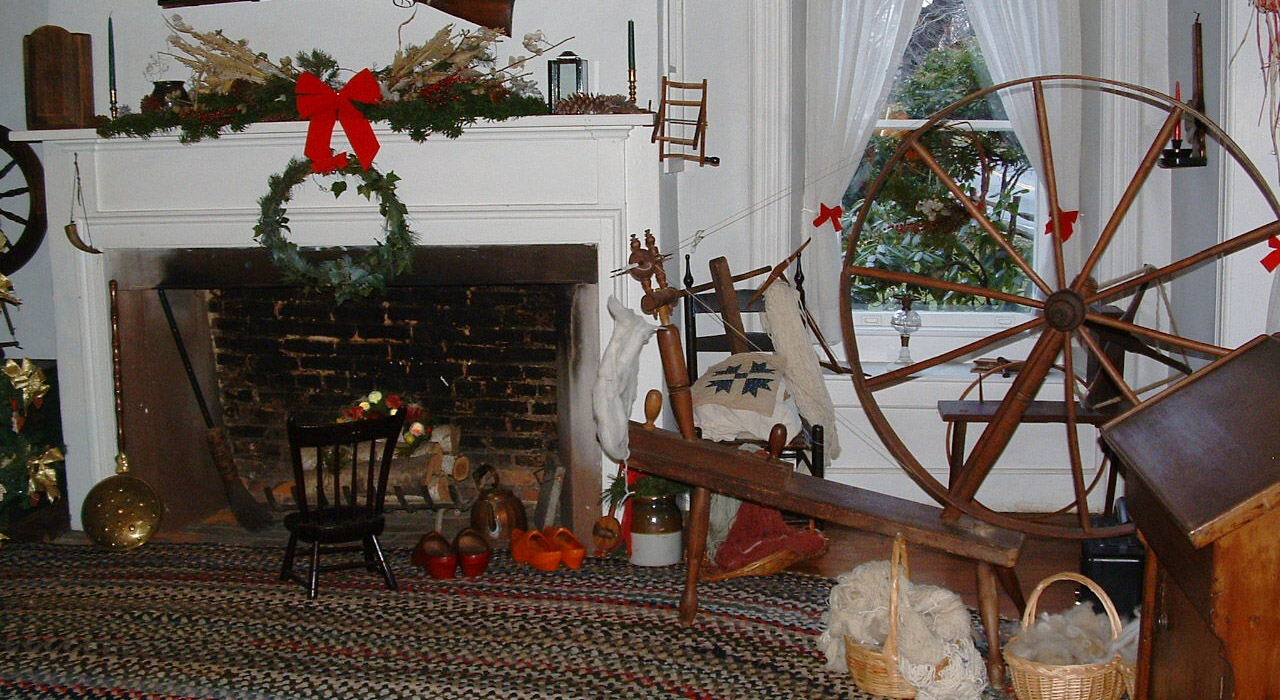
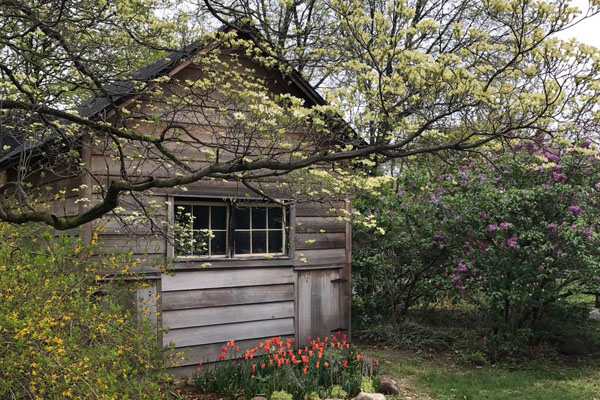
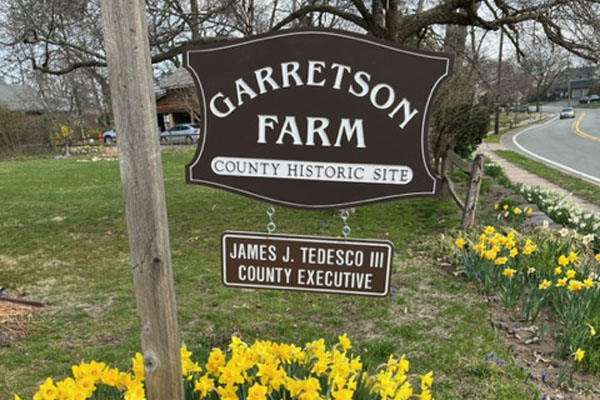
Garretson Forge and Farm, listed on the National and New Jersey State Historic Registry, is one of the oldest historic sites in Bergen County, New Jersey. Settled in 1719, this Dutch Colonial homestead was home to six generations of the Garretson family. Their homestead remains a rare surviving example of a simple farming life that was prevalent in the 1700s and 1800s.
Guided Tours
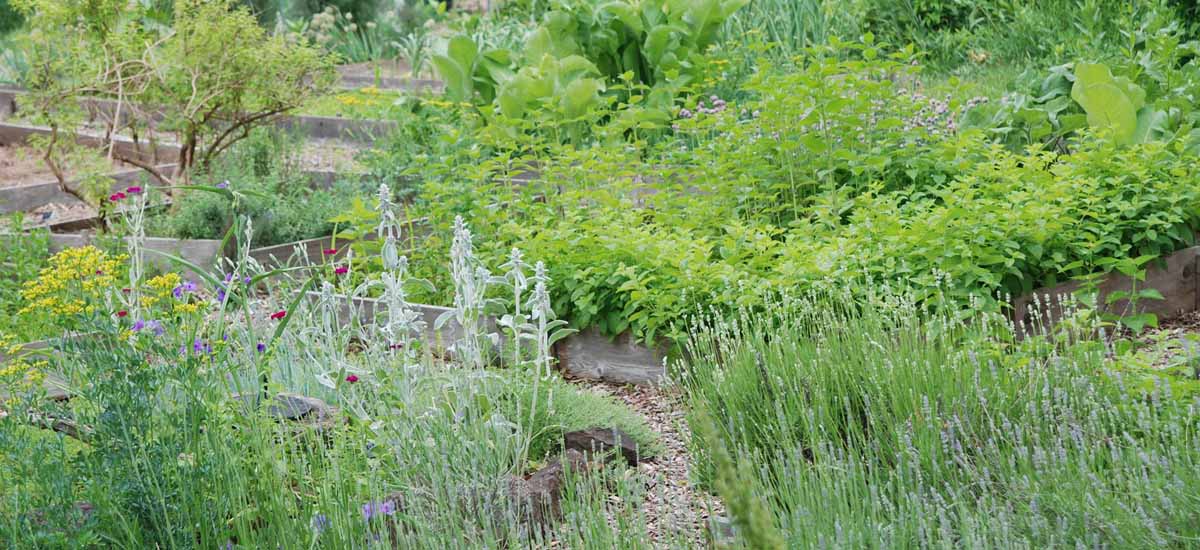
Every second and fourth Sunday of the month, from March through November from 1:00 PM to 4:00 PM, docents give guided house and garden tours. For school visits and group tours at other times, please contact us at info@garretsonfarm.org. For other visiting hours please refer to our calendar page.
Upcoming Programs & Events at Garretson Forge & Farm
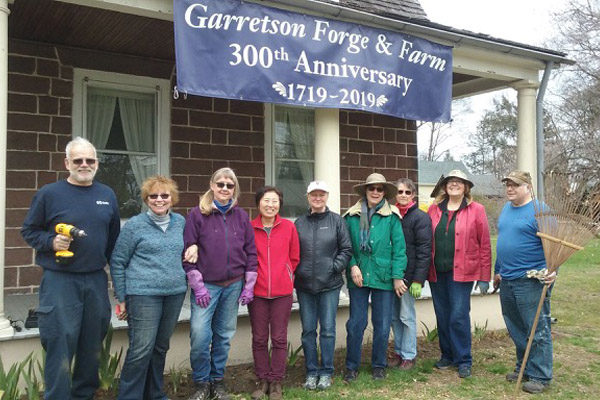
Garden Volunteer Days
March 20 - November 9
Garden volunteer days are every Thursday starting on March 20 through November 9. Volunteer hours are 10:00 AM to 2:00 PM, and on Open House Sundays from 1:00 PM to 4:00 PM.
Open House Sundays
April 13- November 9
Guided tours of the homestead and gardens are available on the following dates from 1:00 PM to 4:00 PM. April 13 and 27; May 25; June 8 and 22; July 13 and 27; August 10 and 24; September 14 and 28; October 12 and 26; November 9 (last Open House of the year)